
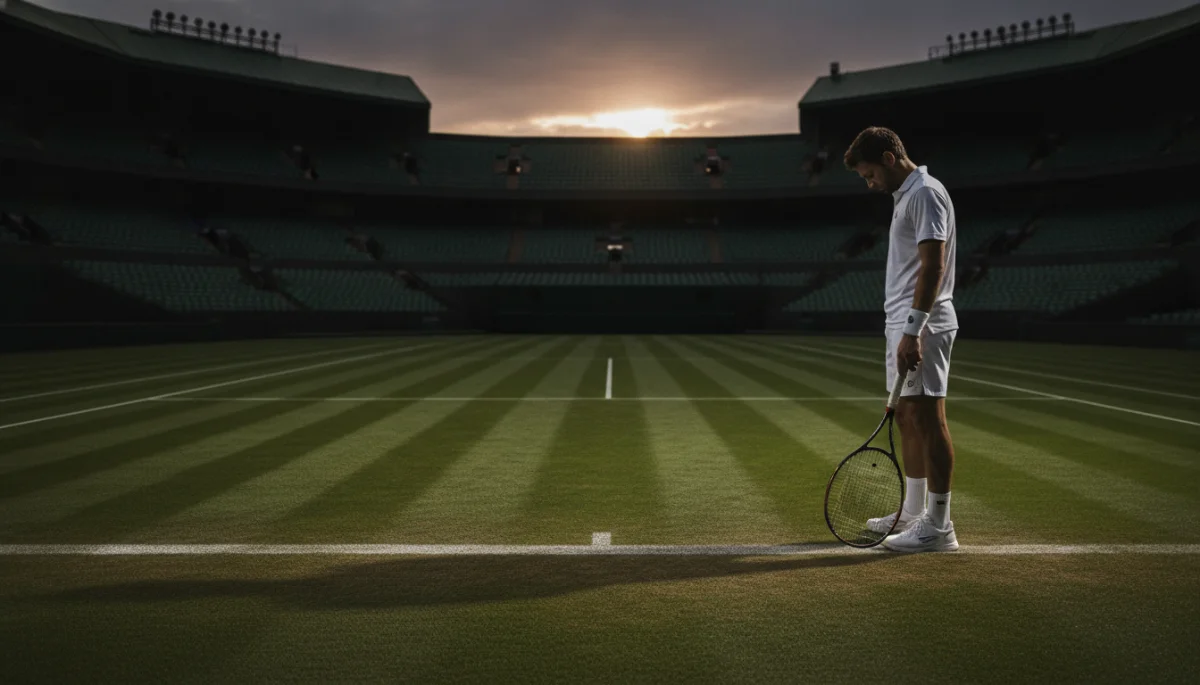
Nick Kyrgios has admitted to a positive cocaine test and called the episode a much-needed wake-up call after a long stretch of injuries and frustration. The International Tennis Integrity Agency has provisionally suspended him, and the case now sits alongside the most difficult chapter of his recent career.
How the Suspension Started
The ITIA said Kyrgios provided a sample at an ATP 250 event in Mallorca, Spain, on June 22, 2026, and a WADA-accredited lab later confirmed the presence of benzoylecgonine, a cocaine metabolite, on July 17. The mandatory provisional suspension began on August 4, and the agency says he has not appealed it.
That means he is barred from playing, coaching, or attending sanctioned tennis events while the matter moves forward.
What Kyrgios Said Publicly
Kyrgios posted a statement on Instagram saying he had failed a drug test in Mallorca and that he took full responsibility for the mistake. He also said the strain of repeated injuries had left him feeling helpless and alone, while stressing that none of that excuses what happened.
He added that the situation had forced him to reassess his priorities and that he planned to step away from social media and public life for 28 days to focus on getting himself right.
Recent Form and Career Context
The timing is especially stark because Kyrgios has played very little competitive tennis since his strong 2022 season. Since reaching the Wimbledon final that year, he has managed only 10 tour-level singles matches and won just two of them.
His ranking has also fallen sharply, leaving him outside the main conversation on the tour while he tries to return from a series of physical setbacks.
| Key Detail | What Happened |
|---|---|
| Sample date | June 22, 2026 |
| Lab confirmation | July 17, 2026 |
| Provisional suspension | Effective August 4, 2026 |
| Current status | Suspended pending the case outcome |
Possible Sanctions and Similar Cases
Cocaine is prohibited in competition under tennis anti-doping rules, and reduced sanctions can apply when use is deemed outside competition. Kyrgios could face a long ban, though reports note that a lighter penalty is considered possible.
There is precedent for a shorter sanction: Dan Evans received a one-year ban in 2017 after a positive cocaine test.
Why This Matters Now
This case adds another painful turn for a player who has often made headlines for both talent and controversy. It also arrives after injuries have interrupted his momentum for two years, turning what once looked like a career rebound into another test of discipline, health, and resilience.
- Kyrgios has acknowledged the test result and accepted responsibility.
- The ITIA says the suspension is mandatory and still in effect.
- His next public step is likely to depend on the disciplinary process and any future appeal.
For now, the story is no longer about short-term form or rankings alone. It is about whether Kyrgios can steady his career after a very public and damaging setback.