Why the Pause Now Matters
Halftime used to be a dead zone for many fans. The action stopped, the energy dipped, and viewers waited for the next whistle while commercials and commentary filled the gap.
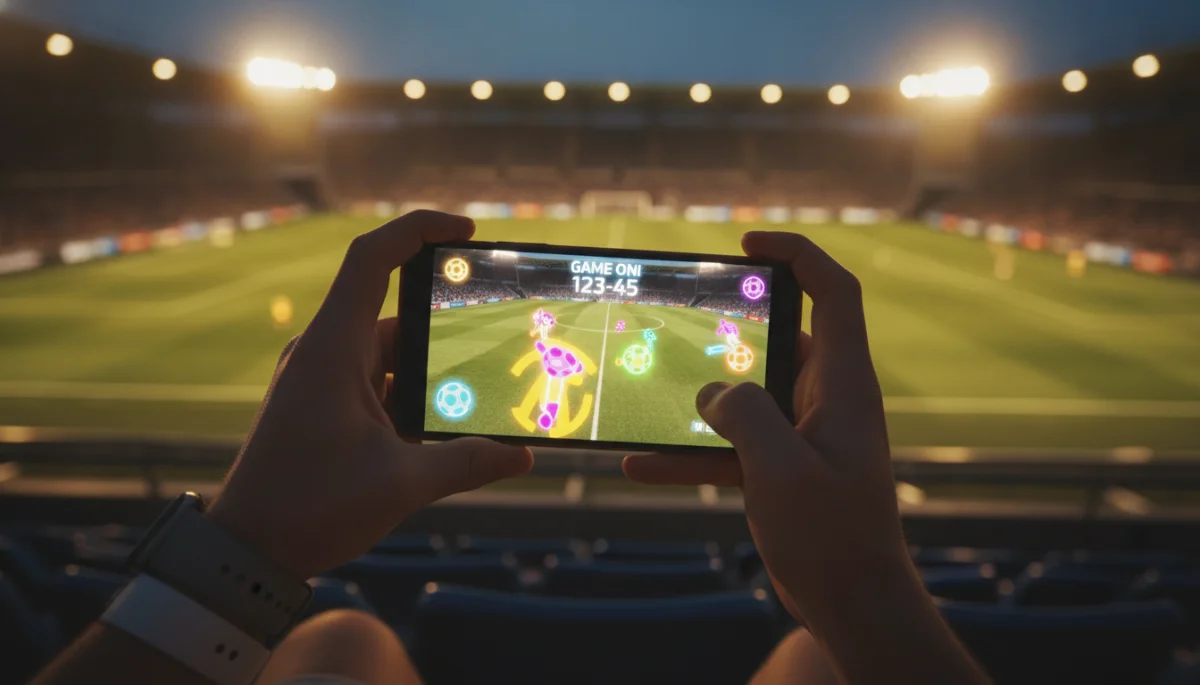
That gap is exactly why quick mobile games have become so popular. They fit the break without demanding much time, and they keep fans mentally tied to the event instead of drifting away.
What Makes a Good Halftime Game
The best halftime games are built for speed. They open fast, make sense right away, and finish before the second half begins.
The format also has to reward repeat play. A fan may only have a few minutes, but that is enough for several short rounds if the design is simple and the feedback is immediate.
| Feature | Why It Works at Halftime |
|---|---|
| Fast launch | Players can start without wasting the break. |
| Simple controls | No one wants to learn a complicated system in two minutes. |
| Short sessions | The game ends before live action resumes. |
| Repeatable rounds | Fans can try again without losing momentum. |
This is why hyper-casual puzzles, quick sports simulators, and instant spin-style games all perform well. They deliver a compact burst of entertainment that feels connected to the game-day atmosphere.
How Technology Keeps Fans Connected
Better stadium Wi-Fi and stronger mobile networks have removed a major obstacle. Fans can now stay online in crowded venues without the lag and dropouts that once made mobile play frustrating.
Developers have also trimmed bandwidth use and reduced latency. That means the experience stays smooth even when thousands of people are using their phones at the same time.
The result is a cleaner halftime routine. Fans can play a few rounds, check the score, and still be ready when the teams return to the field.
Why the Format Feels So Natural
Halftime gaming works because it matches fan psychology. The break creates a drop in excitement, and a quick game helps replace that lost momentum with a small reward loop.
It also gives fans a sense of control. They cannot change what happens on the field, but they can make a choice, score points, or win a short challenge on their own screen.
That small sense of agency matters. It turns waiting into participation and makes the break feel shorter without taking attention entirely away from the live event.
Where This Trend Is Going Next
Sports organizations are beginning to treat halftime as an engagement window, not just downtime. Some are building prediction games, some are adding fantasy updates, and others are tying mini-games to rewards such as discounts or ticket offers.
More advanced formats may follow. Augmented reality, location-based features, and richer second-screen experiences could make the next wave of halftime entertainment even more interactive.
For now, quick mobile games have already earned their place. They give fans something active to do during the break, and they help the energy of the match stay alive from start to finish.